 Why choose Breeze
 Marketing
 Creative
 Sales
 Remote work
 Managers
 Product teams

 Project management
 Task management
 Kanban tool
 Time tracking
 Project reporting
 Project calendars
 Project timeline
 Team workload
 Project automation
 Project customization
 Chat
 Web forms
 Project roadmap
 AI
 What's new
 Articles & guides
 Help center
 Mobile apps
 Integrations
 Developers & API
 Free tools
Miro acquisition by Bending Spoons: what changes?

Bending Spoons completed its acquisition of Miro on October 26, 2026, about six weeks after announcing the deal. The ownership change is confirmed. A change to Miro's plans, prices or free tier is not: neither company has announced one. If your team depends on Miro, record what you pay and which features you rely on. That gives you a basis for judging any future change.

Disclosure: Breeze publishes this page and makes project management software. Miro is a whiteboard, not a direct competitor. Breeze is an option for teams that use Miro boards to track project tasks.
Has anything changed for Miro customers yet?
Neither company has published a customer notice about changes to plans or prices. Miro's newsroom has no post about the acquisition. The Miro pricing page currently shows four plans:
| Plan | Price, billed yearly | What sets it apart |
|---|---|---|
| Free | $0 | 3 editable boards, unlimited team members |
| Starter | $8 per member per month | Unlimited and private boards |
| Business | $20 per member per month | Guests who can edit, single sign-on, AI workflows |
| Enterprise | Custom, from 30 members | Central admin, security and governance |
Miro's plans help article adds the rules that drive a bill: every permanent team member on a paid plan needs a seat, Starter and Business have a minimum purchase of one license, and yearly billing saves 20% against monthly. Save these figures alongside your own invoice, including its seat count and billing cycle. Compare any future notice with what your workspace pays, as well as the public list price.
When the deal was announced, Miro CEO Andrey Khusid's note to staff, published on the Miro blog, said Bending Spoons would spend time understanding the business after closing before making decisions about structure and roles, and would share more as soon as it could. That is the stage Miro is in now.
What should a Miro customer do now?
Record your bill, list the features your team needs and export important boards. The acquisition alone is not a reason to move. Each of these checks takes minutes and gives you something concrete to compare with a future customer notice:
- Record your plan and bill: plan name, seat count, billing cycle, renewal date and what you paid last time. A notice is easier to judge against your own numbers than against memory.
- List what you depend on: the number of active boards, guests who edit, single sign-on, integrations and AI features. If one of them moves to another plan, you will know at once whether it affects you.
- Export the boards that matter: Miro's export help article covers images, PDFs (one page per frame) and CSV. CSV export is text only, taken from sticky notes, cards, tables, text boxes and shapes. On the Free plan, exports are small size only.
- Check who can export: a board owner can restrict exporting in the board's content settings, so make sure it is allowed on the boards you need. Export also does not work from the mobile app.

A PDF of a board is a record, not a backup you can restore. For the difference between the two, and what different tools let you take with you, see what project tool backups actually save.
When did Bending Spoons acquire Miro?
Bending Spoons announced a definitive agreement to buy Miro on September 10, 2026, and said it expected to close in the fourth quarter, subject to regulatory approvals. It closed on October 26, early in that quarter. The October 26 completion announcement, also filed with the SEC, confirms that Bending Spoons now owns all of Miro's shares.
In the completion statement, Bending Spoons' CEO, Luca Ferrari, says the company looks forward to using its technology and expertise to make Miro more useful to customers and to support its growth. It says nothing about plans, prices, the free tier or Miro's staff.
How much did Bending Spoons pay for Miro?
The September 10 deal announcement put Miro's enterprise value at $1.355 billion. Adding Miro's net cash, the equity value was approximately $1.79 billion. These are two measures of the same all-cash deal, not competing prices. At closing, some former Miro shareholders put about $295 million of their proceeds back into roughly 6.2 million new Bending Spoons shares.
The announcement also described Miro's revenue and customer base. Ferrari put Miro's annual recurring revenue at around $600 million, nearly 90% of it from business and enterprise customers. Miro's CEO, Andrey Khusid, said nearly 4 million people pay for Miro, and that more than 750 customers spend over $100,000 a year. Miro describes itself as used by more than 250,000 organisations.
Those numbers matter for one reason: most of Miro's revenue comes from companies, not from individuals on the free plan. That is useful context, not a forecast of what happens to any plan.
What does Bending Spoons usually do after an acquisition?
In both Miro announcements, Bending Spoons says it typically makes substantial changes to acquired businesses. It describes reorganising teams, overhauling technology, redesigning user interfaces, speeding up product development, and enhancing marketing and monetisation. It also says it has never sold a material business and intends to own and operate Miro for the long term.
Its reference to "enhancing monetisation" includes work on pricing and packaging. It does not say what will change at Miro, or when.
Two other products in the same portfolio give a sense of the range:
- Airtable, October 2026: about five weeks after its own acquisition closed, Airtable published an update saying it was parting ways with a large portion of its pre-acquisition team, and that for customers, nothing changes regarding plan, price or service offering. The Airtable ownership change is covered in more detail separately.
- Evernote, 2023: under Bending Spoons, Evernote limited free accounts to 50 notes and one notebook. Its announcement said people above the limit could still view, edit and export existing notes, but could not create new ones without upgrading.
Neither is evidence of what Miro will do. Airtable shows that staff changes and unchanged prices can arrive together. Evernote shows that a free plan can be narrowed without existing work being taken away. Both are worth remembering when reading any Miro notice.
Is Miro going away?
No. Nothing in either announcement suggests it, and Bending Spoons says the opposite: it buys businesses to own and run them for the long term, and plans to invest in performance, reliability and functionality for Miro's customers. Nothing announced so far puts existing boards at risk.
Which of your Miro boards are really project plans?
A Miro board is acting as a project plan when its sticky notes or shapes track tasks, owners and dates. That is different from Miro's open-ended visual work: workshops, diagrams, journey maps, brainstorming and retrospectives. Many teams use the same canvas for both because it is already open.
Those planning boards are the ones a price change would hit hardest, and the ones that are easiest to move. A board where each sticky note is a task with an owner and a date is a task list. It needs assignees, due dates, reminders and a history of who did what, which a dedicated project tool does with less upkeep than a canvas.
Sort boards by the job they do. Keep workshops, diagrams and other visual thinking in Miro. For the planning boards, it is reasonable to try a project tool on one live project: Trello for a simple board, or Breeze if the team also wants time tracking and free client access, at $9 per user per month billed yearly, or $10 billed monthly, with every feature included. The visual task board options cover more choices. None replaces a whiteboard. Compare them for the task-tracking work while keeping Miro for the visual collaboration your team needs.
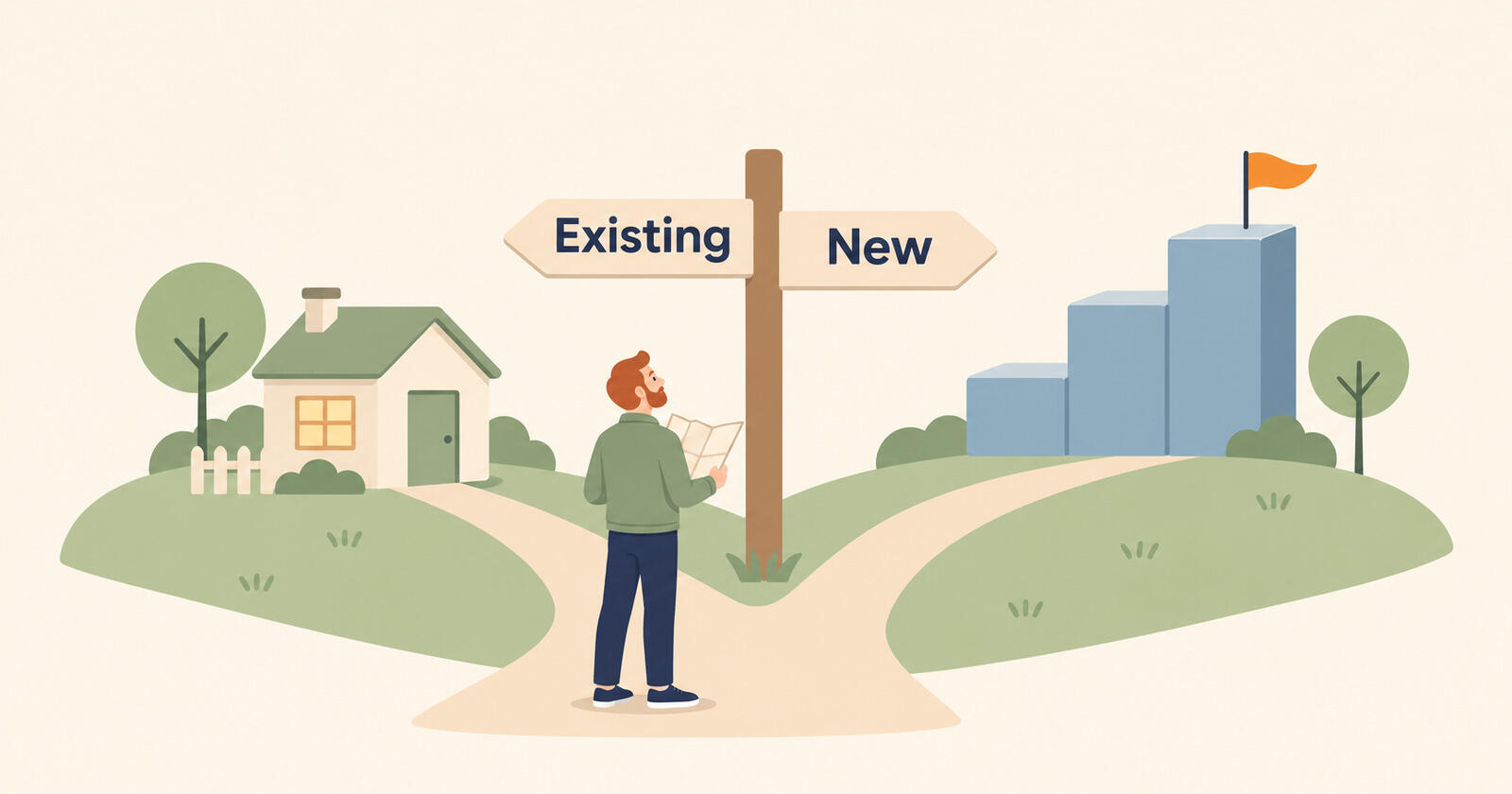
How would you compare staying with moving?
Put the one-time cost of moving next to the yearly saving. As an illustration with sample figures: a ten-person team on Business pays $2,400 a year at today's yearly rate. If the planning work moved elsewhere and the team dropped to five Miro seats on Starter for workshops, Miro would cost $480 a year. That saving has to cover the new project tool, and the hours spent rebuilding the boards and teaching people where the work now lives.
This example uses sample seat counts and the published yearly rates, not a prediction of future Miro prices. If planning boards are a small part of your Miro use, moving them saves little and takes time away from other work. If they are most of it, the comparison is worth doing before your renewal rather than after a notice.
Which changes would affect that decision?
Watch for specific, customer-facing changes rather than headlines: a renewal notice with a new price, a lower editable-board limit on Free, a feature moving from Starter to Business, changes to how guests are counted, or a different AI allowance. Compare each one with the plan and bill you recorded.
Improvements count too. Bending Spoons has said it intends to invest in performance and reliability, and if that makes Miro faster on the large boards your team struggles with, include it in the comparison. Decide on the terms and product in front of you, not on the assumption that nothing will change, nor that Miro will follow another product's path.