 Why choose Breeze
 Marketing
 Creative
 Sales
Sales Remote work
 Managers
 Product teams
 Project management
 Task management
 Kanban tool
 Time tracking
 Project reporting
 Project calendars
 Project timeline
 Team workload
 Project automation
 Project customization
 Chat
Chat Web forms
 Project roadmap
 AI
AI What's new
 Articles & guides
 Help center
 Mobile apps
 Integrations
 Developers & API
 Free tools
Are project management certifications worth it?

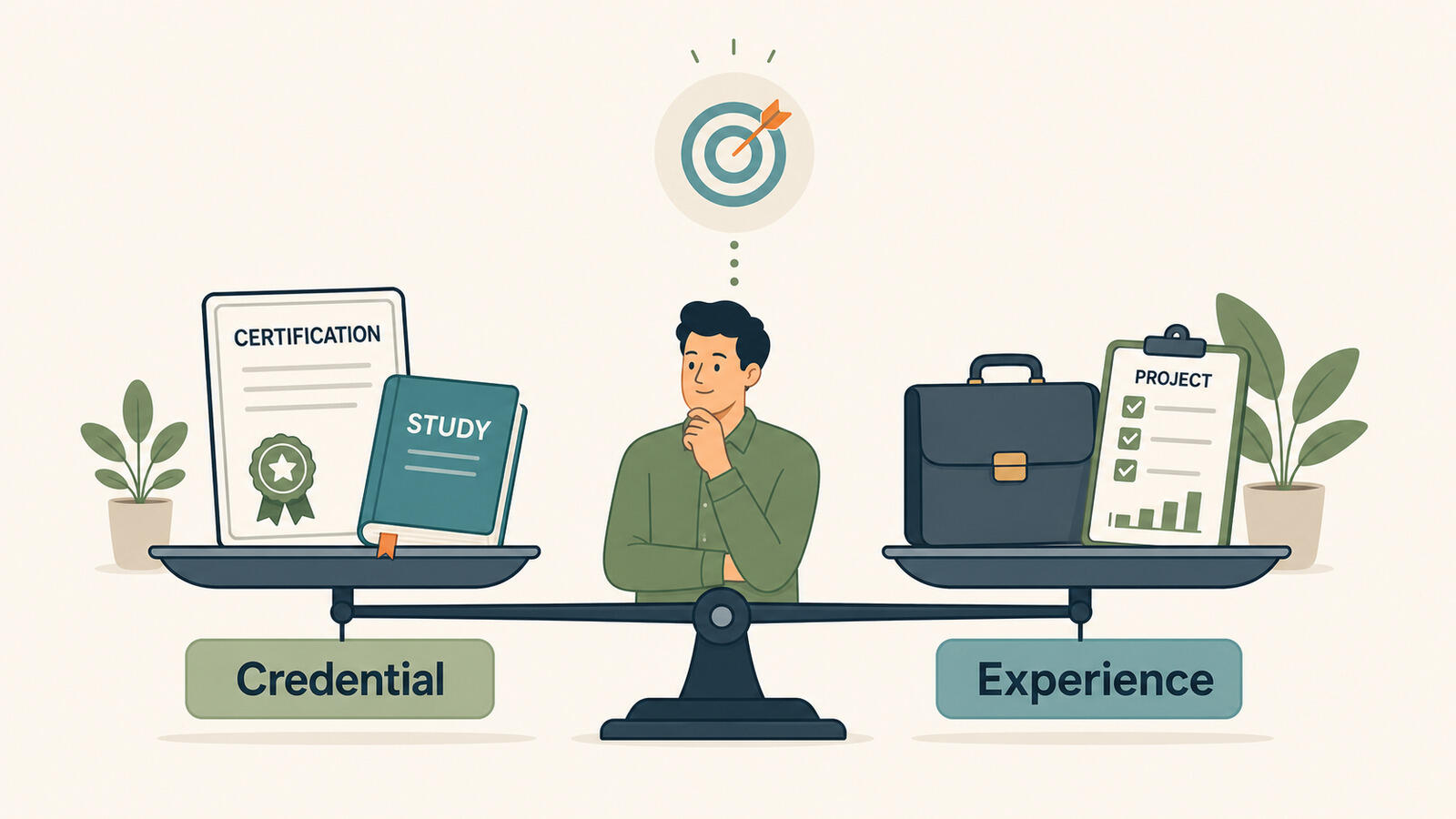
For most people on a project management track, a certification is worth it, but not for the reason the marketing implies. It does not magically make you a better manager. What it does is clear a filter: recruiters and procurement teams often screen for credentials like the PMP, so the letters after your name get you into rooms a strong resume alone might not. There are more than 1.2 million PMP holders worldwide, which tells you two things at once - the certification is widely recognized, and it is no longer a way to stand out on its own. So the real question is not whether to get certified in the abstract. It is which certification matches your career, your industry, and where you are right now.
What a certification actually gets you
A project management certification does three concrete things. First, it signals credibility - it tells an employer you committed time and money to your craft and passed an exam that thousands fail. Second, it gives you a shared vocabulary, the same words for phases, risk, and stakeholders that the rest of the field uses, which makes you easier to drop into an existing team. Third, in many job postings it is a literal checkbox, and your resume gets sorted out before a human reads it if the box is empty.
What it does not do is make you good at the work. A certificate can teach you that a risk register exists, it cannot teach you which risks on your project are real. That judgment comes from running actual projects, getting things wrong, and adjusting. So the right frame is not "certified equals competent," it is "certified equals taken seriously, faster." Treat the exam as the finish line and you have misunderstood it; treat it as a credential that buys you the chance to prove yourself, and it usually pays for itself.
The benefits people report are concrete: stronger salary potential, more job options, and a market value that holds up when you change companies. None of those are guaranteed, and all of them depend on the certificate being recognized in your corner of the industry - which is why the next question matters more than the first.
Which certification fits which career
The biggest mistake is treating the certifications as interchangeable. The Project Management Professional (PMP) from the Project Management Institute is the heavyweight: globally recognized, heavy on traditional and hybrid project management, and gated behind a real experience requirement. It is the default ask for senior project manager roles in North America and much of the corporate world. If you already lead projects and want the credential recruiters search for by name, this is usually it.
The Certified Associate in Project Management (CAPM), also from PMI, is the entry-level cousin. It has no serious experience requirement, which makes it the honest choice for students, career changers, and people who manage projects without the title yet. It will not carry the same weight as the PMP, but it gets a foot in the door and signals direction.
PRINCE2 is the one to know if you work in the UK, Europe, or government and consultancy environments, where it is often the expected standard rather than the PMP. It is a structured, process-driven method, and where it dominates, having it is less optional than it looks from the outside.
Then there is the agile and scrum family. The Certified ScrumMaster (CSM) and PMI's Agile Certified Practitioner (PMI-ACP) speak to teams that ship in sprints rather than plan in phases. If your shop runs Scrum, these are the credentials that match the day job, and they pair naturally with the must-have skills for an agile project manager. If you are nowhere near agile or scrum, chasing a CSM is effort spent on a signal nobody in your market is reading.
Two factors should drive the choice. One is cost and time - exam fees, course fees, and study materials add up, and the experience prerequisites differ sharply. The other is fit: pick the credential your industry and region actually ask for, not the one with the most prestige in a forum.
Certifications at a glance
Here is the short comparison most people are really after. The point is not that one is best, it is that "best" depends on the row that matches you.
| Certification | Best for | Experience needed | Strength |
|---|---|---|---|
| PMP | Experienced PMs wanting the recognized senior credential. | Significant, prior project experience required. | Global recognition, the default corporate ask. |
| CAPM | Students, career changers, and new managers. | Little to none. | Low barrier, foot in the door. |
| PRINCE2 | UK, European, government, and consultancy roles. | Foundation level needs none, higher levels do. | Regional standard where it dominates. |
| CSM | People working on Scrum teams. | Course attendance, light on prerequisites. | Direct match for agile day-to-day. |
| PMI-ACP | Practitioners across multiple agile methods. | Agile project experience expected. | Broad agile credibility beyond one framework. |
Who benefits and who should skip it
Certifications help some people a lot, some a little, and a few not at all. Knowing which group you are in saves you a few hundred dollars and a few hundred hours.
It is clearly worth it when
You are trying to break into project management without the job title yet, you are aiming at employers or contracts that screen for credentials, or you want to move into a new industry where your past experience does not translate cleanly. A certificate gives a hiring manager a reason to take a chance on you. It is also worth it for working managers eyeing a senior or program-level role, where the PMP in particular is often an unwritten requirement rather than a nice-to-have.
It might not be worth it when
You already run projects successfully, your reputation travels by word of mouth, and nobody in your market is asking for the letters. Plenty of excellent project managers have never certified and never needed to, especially in small companies and agencies where the work speaks louder than the resume. If that is you, the time is better spent sharpening the actual craft than memorizing a framework you already practice by instinct.
The deciding test
Open a handful of job postings for the role you want next, in your region, and count how many list a certification by name. If most do, get certified, and get the one they name. If almost none do, you have your answer, and you can put the energy somewhere with a better return. Let the market tell you, not a sales page for an exam prep course.
How to prepare without wasting months
Once you have picked the right certificate, passing it is a project in itself, so manage it like one. Start by reading the official exam content outline - for the PMP, that means knowing the exam blends predictive, agile, and hybrid approaches, so studying only one will leave gaps. Knowing the shape of the test stops you over-preparing what you already understand and under-preparing what you do not.
Build your study around the right materials. For the PMP, the PMBOK Guide is the anchor reference for concepts, processes, and best practices, and PMI offers it in digital form. Back it with timed practice exams - the PM PrepCast and the PM Exam Simulator both mimic the real thing - because the format trips people up as much as the content. Rita Mulcahy's PMP Exam Prep and the Agile Practice Guide are well-regarded additions.
Then treat the study itself as a plan with milestones, not an open-ended slog. Set a realistic exam date, work backward into a weekly schedule, and protect an hour or so on weekdays with longer blocks on weekends. Framing the target as a SMART goal makes it concrete instead of "study more." Track your prep the way you would track real work - a simple board in a tool like Breeze with a card per topic, a status, and a target date keeps the effort visible, so a slipping date shows up early while you can still move the exam. Take real breaks, review weekly, and do not cram the night before. On exam day, slow down, use elimination on the questions you are unsure of, and flag the hard ones to revisit at the end rather than panic-guessing through them.
Quick decision points
- Do I need experience before I can get certified?
- It depends on the certificate. The PMP and PMI-ACP expect real project experience, while the CAPM and entry-level PRINCE2 are designed for people who do not have it yet. If you are early in your career, start with one of the low-barrier options and step up later.
- Is the PMP always the best choice?
- No. It is the most recognized in North American corporate settings, but PRINCE2 is often the standard in the UK and government work, and a Scrum credential fits an agile team far better. Match the cert to your region and how your team actually delivers, not to its reputation.
- Will a certificate raise my salary on its own?
- It can improve your salary potential and market value, but it is not a guaranteed raise. The lift comes from the roles it unlocks, which only matters if employers in your field are looking for it.
The short version
A project management certification is worth it when it removes a barrier between you and the work you want - breaking in, moving up, or switching industries - and it is a poor use of time when you already lead projects in a market that never asks for it. The credential opens doors, but the job is still done by clear goals, owned tasks, and honest communication.
So before you pay for anything, open ten job postings for your next role and count how many name a certification. That number tells you whether to certify, and the postings tell you which to pick. Choose deliberately, treat the prep like a project, and the letters will earn their keep.