 Why choose Breeze
 Marketing
 Creative
 Sales
Sales Remote work
 Managers
 Product teams
 Project management
 Task management
 Kanban tool
 Time tracking
 Project reporting
 Project calendars
 Project timeline
 Team workload
 Project automation
 Project customization
 Chat
Chat Web forms
 Project roadmap
 AI
AI What's new
 Articles & guides
 Help center
 Mobile apps
 Integrations
 Developers & API
 Free tools
What we learned from helping non-technical teams organize projects

The biggest lesson from helping non-technical teams organize projects is that the tool usually was not missing. The team often already had Jira, Asana, ClickUp, a spreadsheet, or some mix of all four. The problem was that the official system asked for more structure than people could keep accurate during normal work.
Jira failed when simple business requests had to behave like software tickets. Asana failed when every project had a different view and nobody shared the same picture. ClickUp failed when the first week became a workspace design project instead of a working system. The fix was not more process. It was a smaller setup that made ownership, status, files, and next steps obvious enough that people actually used it.

1. What did project chaos look like before the fix?
Project chaos usually looked less dramatic than people expected. It was not a total absence of tools. It was a team maintaining two versions of the truth: the official version in the project management tool and the real version in Slack, email, meetings, and someone's memory.
A marketing launch might have a timeline in Asana, final copy in an email thread, design feedback in Slack, and a deadline in the manager's calendar. A client onboarding workflow might have a ClickUp list, a Google Doc checklist, and a private spreadsheet for "things we cannot forget". An operations team might have Jira tickets for internal requests, but the real answer to "where are we on this?" still came from asking the office manager.
Those teams needed a system that matched how non-technical work actually moves: requests come in, someone owns the next move, files change, approvals happen, blockers appear, and people need to know the current state quickly.
2. Where did Jira, Asana, and ClickUp fail for non-technical teams?
Jira, Asana, and ClickUp failed in different ways, but the pattern underneath was the same. The tool made sense to the person setting it up, then became too slow, unclear, or inconsistent for the people doing quick updates every day.
Jira failed when every request became ticket admin
Jira usually broke down when a simple business task had to pass through too much issue-tracking structure, a recurring pattern in why Jira frustrates non-technical teams. A request like "order the booth graphics for next week's event" became an issue type, priority, component, assignee, status, and transition. The person making the request did not care about the ticket model. They cared whether the graphics were ordered, who owned it, and whether anything was blocked.
After a few weeks, the workaround was obvious. People sent the request in Slack because creating the ticket felt slow. Required fields became fake because people filled them just to move forward. A manager cleaned the board before the weekly meeting, which meant Jira was no longer the source of truth. It was a reporting chore.
Asana failed when every team used a different view
Asana usually failed more quietly. The setup looked reasonable: a timeline for the campaign, a board for design, a list for content, recurring tasks for weekly work. The problem was that each view encouraged a slightly different mental model. One person checked the timeline, another worked from My tasks, another lived in a board, and the manager still asked for status in chat.
On paper, the work was organized. In practice, nobody shared the same screen when they asked "what is happening next?" A launch task might exist in three places: one card for copy, one task for design, one timeline item for the campaign. That made Asana feel less like a shared system and more like a collection of partly connected lists.
ClickUp failed when setup became the project
ClickUp usually failed at the setup layer. Teams liked the promise that it could do everything, then spent the first week deciding Spaces, Folders, Lists, statuses, custom fields, dashboards, automations, and views. A simple client onboarding checklist became a workspace architecture conversation.
The daily problem came later. The power user understood the structure, but occasional users did not. People asked where to put a task, which view to use, whether a checklist item should be a subtask, and where the latest decision belonged. Once the answer was "it depends", updates moved back to chat. The tool was flexible, but the team needed boring and obvious.
3. What lessons did those failures teach us?
The lesson was not that Jira, Asana, or ClickUp are bad tools. They each work when the team's problem matches the tool's shape. The lesson was that non-technical teams often need fewer decisions between "something changed" and "the task is updated".
| Tool pattern | How it failed | What it taught us | Better default |
|---|---|---|---|
| Jira | Simple requests became issue admin. | Fields only help if someone uses them to make a real decision. | Keep only owner, due date, status, blocker, and latest context at first. |
| Asana | Multiple views created multiple versions of reality. | A team needs one shared operating view before it needs extra views. | Pick one board or list as the source of truth for active work. |
| ClickUp | Configuration became more important than updating tasks. | Flexibility becomes drag when non-technical users need fast answers. | Use fewer statuses, fewer fields, and one obvious place for updates. |
| Any tool | Chat stayed faster than the board. | The old habit wins unless the new system is easier to update. | If work changes, update the task before explaining it elsewhere. |
The board has to replace something
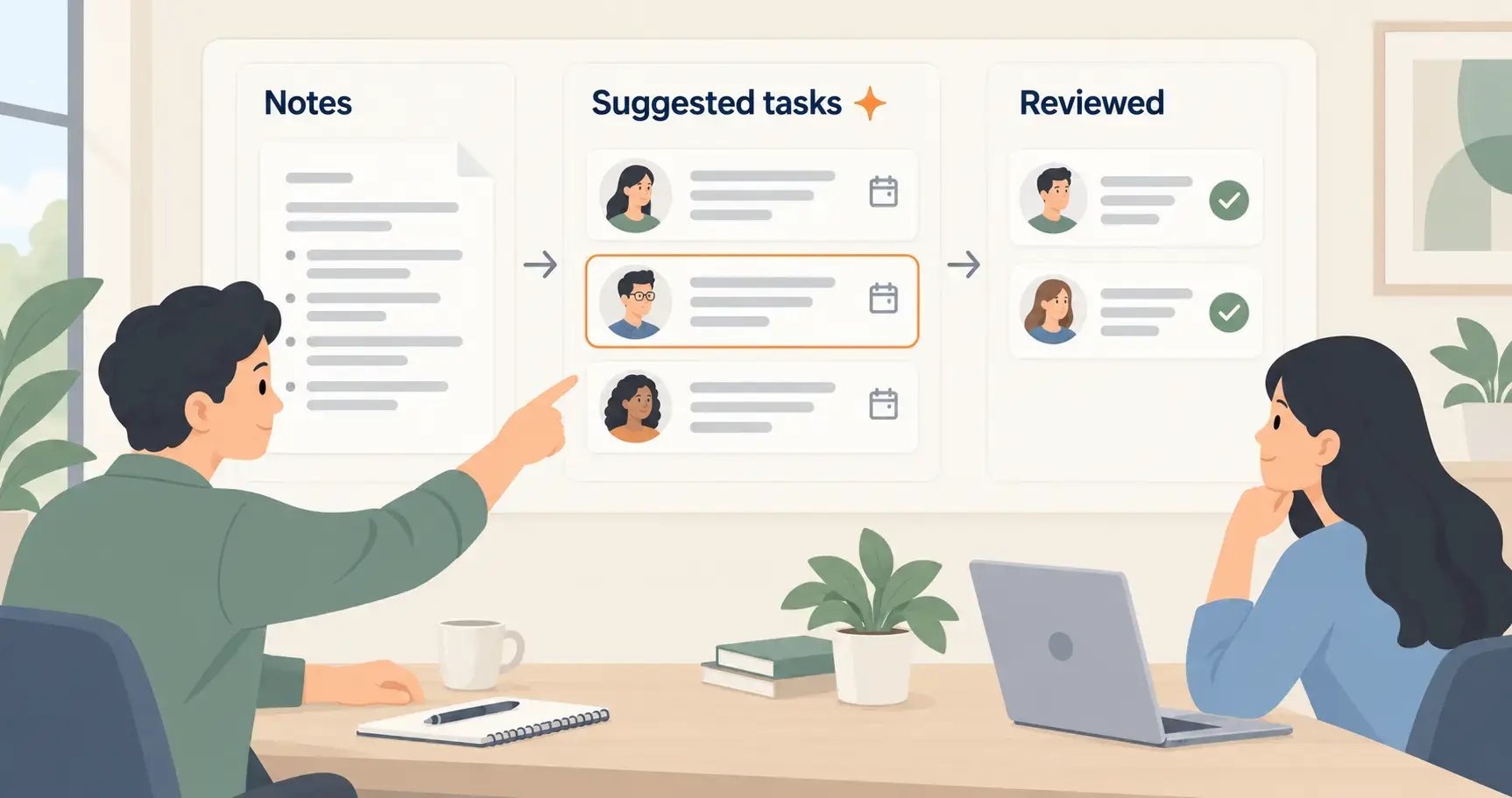
A project board fails when it is added on top of everything else. It succeeds when it replaces one messy behavior. That might be the weekly status meeting, the running Slack thread, the shared spreadsheet, or the manager's private task list.
People do not keep a board updated because it exists. They keep it updated when it becomes the easiest way to answer real questions: what is blocked, who has the latest file, what needs review, and what is due this week?
Managers have to change their questions
Non-technical teams often keep asking for status in chat even after a board exists. That is usually not laziness. It is habit. The fastest way to change the habit is for managers to ask better questions in the new place.
Instead of "any update on this?", ask "can you update the card with the current blocker?" Instead of "who owns the client follow-up?", ask "who should own this task on the board?" Small changes like that teach the team where the work now lives.
4. What worked better in practice?
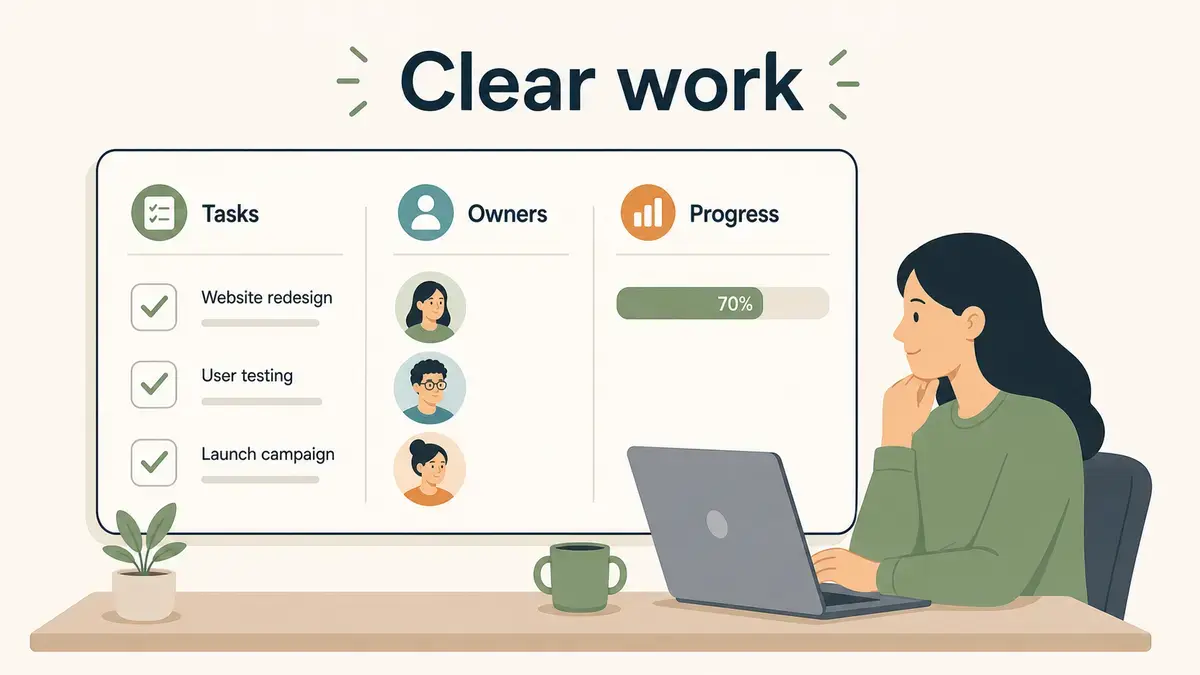
The setups that worked better were usually smaller than the ones they replaced. They started with one live workflow, not a company-wide rollout. They used three to five statuses, not every possible stage. They required one owner, one next step, one due date when timing mattered, and one place for decisions and files.
A ClickUp client onboarding setup might shrink from Space, Folder, List, subtask templates, custom fields, and automations into one project with columns like New, Doing, Waiting, Review, Done. A vague card called "Acme onboarding" becomes "Send Acme kickoff notes and assign first deliverables".
A Jira request queue might shrink from issue types and required fields into a simple board with requester, owner, status, and blocked note. An Asana campaign plan might shrink from timeline plus board plus private task lists into one shared launch board everyone checks before asking for status.
A simple setup in Breeze project management often fits this kind of team because tasks, boards, calendars, files, and time tracking are connected without asking the team to design a complex workspace first. But the broader lesson is not tool-specific. The right system is the one that makes the update easier than avoiding the update.

If you are starting from scratch, run a two-week pilot. Pick one confusing project, move only active work into the board, put updates on the cards instead of chat, and remove anything that feels like extra admin.
That small test reveals the truth quickly. If the team starts checking the board before asking for status, the system is working. If people still ask the same questions in chat, the setup is either too hard to update or not being treated as the source of truth. For teams worried about overwhelming people, this guide to introducing a project board follows the same principle.
5. Common questions about organizing projects for non-technical teams
- Why did Jira fail for non-technical project teams?
- Jira usually failed when simple requests had to go through issue types, required fields, and transitions that did not help the team make decisions. People moved updates back to chat because creating and maintaining tickets felt too slow.
- Why did Asana fail for non-technical project teams?
- Asana usually failed when teams split work across too many views, projects, and sections. The work looked organized, but people no longer shared one trusted place to check current status.
- Why did ClickUp fail for non-technical project teams?
- ClickUp usually failed when setup became the work. Spaces, Folders, Lists, custom fields, views, and automations gave teams flexibility, but occasional users needed a simpler place to update tasks quickly.
- Is the problem the tool or the workflow?
- Usually it is the fit between the tool and the workflow. Jira, Asana, and ClickUp can all work well, but non-technical teams often need less configuration and a clearer update habit.
- What is the easiest way for a non-technical team to organize projects?
- Start with one shared board for one real workflow. Use one owner per task, three to five statuses, visible due dates, and one place for decisions, blockers, and files.
6. The practical takeaway
Helping non-technical teams organize projects has made one thing clear: Jira, Asana, and ClickUp fail these teams when the system becomes harder to update than the work itself. The winning setup is often smaller, plainer, and more obvious than the one people first design.
The best next step is not to reorganize every project. Pick one active workflow, make the current state obvious, and run it that way for two weeks. If the team asks fewer status questions, finds files faster, and updates tasks without being chased, the structure is doing its job.